
Tuesday, 22 November 2011

Tip #99: Learn from our mistakes

By Dan Parkes (Director/editor)

As cast and crew we are all very proud of the film we produced. Not only the way it was made and for how little, but the final product is something we are very satisfied with, as in many cases it has exceeded expectations. However, that doesn't mean it couldn't have been a lot better!

In fact, from my perspective as the director I think there were 10 key mistakes that I was personally involved in making:

1. Under-developed script
The script was an adaption of a short film concept that itself was based on a true story. It was written in a matter of months and although we had many different drafts and long script editing sessions with three writers, the producers and a script supervisor present the fact remains that a lot more could and should have been done. It should have been a lot shorter, several scenes could have been reduced or collated together and in particular dialogue condensed to avoid unnecessary repetition. (see tip #13).

2. Name of the film
A film title should be memorable and this one just isn't. People struggle with it. It was originally entitled "Apple Pie" but this seemed too simple and it went through several different versions until resting on a fictitious village name and the name of the dessert. It was a nice idea...but if people can't remember it, then it doesn't work (see tip #5).


3. Too many locations and characters
We tried to keep the number of locations and characters to a minimum, with several characters condensed into one, but somehow these aspects of the production kept expanding and in the end made a lot more work for everyone involved (see tip #15).

4. Target audience
We never really addressed who our target audience was, other than those who enjoy the generic "drama" genre. This was probably due to the "inspired by a true story" and "passion piece" elements of the production, but that is no excuse. We should have identified our audience more, as this is crucial for marketing the film later, and also for considering classification (see tip #95).

5. Logo clearance
During the production we did try to avoid including logos and brands that could cause issues, but we just weren't vigilant or inventive enough, especially in two particular cases involving beer and TinTin pajamas that lead to headaches in post-production (see tip #88).

6. No sales agent
This was a biggie. It was not until the film was well done and dusted that there was even a mention of "a sales agent" and we still didn't even know who or what it meant! In actual fact we shouldn't have even finished the first draft before organising one. By all means don't make the same mistake of neglecting to learn about this before entering production (see tip #92)


7. Gave away our budget
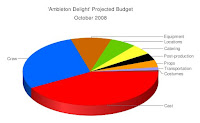
When we completed the film on so little -despite assurances that we couldn't do it- we thought this was a positive aspect of the production that we could use to help the profile of the film. So early press releases and film trailers mention the next-to-nothing budget. It might work for a zombie film made on £45, but for a serious village-based drama we actually shot ourselves in the foot. Since the film does not look low-budget we were selling ourselves short and giving the wrong impression. And that's exactly what happened. (see tip #14).
8. Too festival focused
Still unaware of what a sales agent was we instead focused on film festivals, mistakenly believing this would lead to more opportunities. We played the "premiere" game aiming for festivals that could premiere the film. While it wasn't a total failure, actually our time and money would have been better spent getting a sales agent and proper distribution. (see tip #92).

9. Indie distributor
We eventually settled for an indie distributor which seemed like a good decision at the time, but in reality at our present rate we are probably unlikely to make even our budget back any time soon. Personally, I think it would have been better if we had gone the self-distribution route, even though such an option has definite drawbacks (see tip #93).

10. The blog and social media
Our low budget film production blog has from the very start worn its heart on its sleeve, detailing the mistakes, agony and pitfalls of making a next-to-nothing budget film, as well as sharing what worked for us with the hope that other filmmakers might join in with more advice. Instead many fellow filmmakers have at best misinterpreted our intentions, at worst used it as a platform to launch insults and abuse (see tip #98).

So was this blog a waste of time, a mistake? Well from the positive feedback I am sure there are filmmakers who will benefit from it, as there is everything we would like to have known if only someone else had told us before we started. But the fact is that while modern web-based social media has brought everyone closer together, that also means you are brought close to some real nutters! So in all honesty, I would recommend creating and maintaining a distance when it comes to social media, as the emotional cost of dealing with on-line immaturity is sometimes just not worth it.

Tuesday, 15 November 2011

Tip #98: Prepare for the haters

By Dan Parkes (Director/editor)

It is a disturbing aspect of being a filmmaker, but unfortunately the not-so-simple act of making a film will automatically put you in line for possible abuse, either directly, or more likely indirectly, (as with website 'trolls').

You may also think that this would more likely come from disgruntled and anonymous audiences who dislike the end product. The fact is that the four main sources of abuse will come from possibly surprising quarters: fellow filmmakers.

Constructive criticism
Before looking at some specific examples we must emphasise the importance of constructive criticism and how this differs from insulting or attacking filmmakers or their films. There is a simple saying frequently used on film sets: "Don't give me a problem, give me a solution". This shows how the following examples certainly differ from constructive criticism which should be warmly welcomed by all filmmakers. I personally encourage people to criticise and comment on my work and will take onboard such advice (refer to a recent blog about test audiences here) especially when they give practical suggestions and solutions to what they think isn't working or could be done better.

However this is completely different from those who make unfounded, aggressive and in many cases just plain insulting comments. Their intent is not to help the film or the filmmaker but -just the same as the proverbial school bully- to make themselves feel better by putting others down. Which is not only childish but a real shame to discover that such immature behaviour exists within an industry that thrives on teamwork. In many cases it stems from bitterness, jealously and issues that are more their own making and irrelevant to the filmmaker or film they are attacking.

1. From cast (the "prima donnas")
We have already covered the fact that unfortunately there are actors who can suddenly turn abusive over imagined ill-treatment. Unlike the other three sources, this can be a particular problem for a low budget production if it requires recasting. For more information on dealing with prima donnas check here.

2. From crew
During the making of Ambleton Delight the production team extended every effort to make cast and crew feel as comfortable and appreciated as possible -despite the fact that this can be a very difficult task when working on such a low budget.

The general response has been very positive. But we have heard stories from other film sets where this is not the case, with DoPs having to take over the role of the director due to a row with the cast, of crew storming off sets because they are bored or feel they are being 'used', of unpaid runners suing a production company, or those who just don't turn up at all. And then there are those who bad mouth the production team afterward, instead of raising the concerns at the time.

3. From volunteers
We had an interesting situation where a man who had previously worked in the film business, kindly offered the rear of his restaurant premises for a shoot. He volunteered, without us even asking, an offer we eventually took up when we found ourselves in a tight spot. The location worked well, but due to failing light we asked if it was possible to come and film pickups. Unfortunately, one of the producers who made the telephone call obviously caught this man in a different mood, who became so abusive over the phone that it made any thought of shooting pickups completely impossible. We have no idea what changed his attitude, except that he possibly assumed we actually had a larger budget than what he previously thought. This is in fact the key issue when receiving help from volunteers especially when you also have high professional standards -it can sometimes send the wrong message.

4. From fellow filmmakers
And then the most surprising (or maybe not so surprising?) source: from those the same as you. You would think that the amount of effort involved in film production would garner at least a small amount of mutual respect. Apparently not.

Here are some 'printable' examples of what fellow filmmakers have written about our production and production blog....


Karel Bata a UK filmmaker (lives in a "posh bit" of London, http://sweetheartfilms.com/) was the first to take unreasonable offense by alleging our lighting blog recommended not using a DoP (which it did not) and went on to post on forums and bulletins insults and allegations such as "He's made a huge public gaff, and is now getting his head chewed off. He'll learn from it...complete IDIOT here."


Freya Black, a UK filmmaker also wrote about our lighting blog: "How nasty can you get!....making such a massive fool of themselves in public, I personally just find it embarrassing...will just make me cringe, even if it has high bizarre value....it certainly seems like you have been disloyal and unappreciative".


Mike Mann (http://www.gitve.com/team.html) also took exception to the lighting blog describing it as a "slap in the face to DPs disguised as a tip to the masses."


Fellow low budget filmmaker Jonathan Williams regards our production diary as "spam disguised as endless, and often substandard 'tips'... as a means of pulling them to your website and attempting to sell them your DVD".


Valentine Palmer, a Brighton, UK based actor/presenter most famous for some TV bit parts and for directing a porn film. "Your feature film (with a title too laughable to even mention)... within the first few minutes of the film’s showing, (I could see) that this was an absolute disaster.... you appear to be manifestly incapable of taking charge of the director’s chair for any kind of major filmic undertaking... The screenplay of your film gave the impression of having been written by someone who had never bothered to study the construction of a movie. There was no noticeable plot arc, character arc or scene arc. There was certainly no apparent 3-act structure within a film devoid of action, humour, suspense or romance."


Gregory Singer, Director at Stallion AV Productions in the Greater New York area and who describes himself as "proud to be Korean... shy around people, but not with a camera" began by describing the film as "Nice. Not great, but nice." But became increasingly unpleasant and over the course of many months posted many unfounded accusations on Shooting People bulletins including those that took "issue with" our production blog which he goes so far as to call "dangerous" and "disseminating bad information... Breaking the law is promoted as *good* low budget filmmaking technique...Unilaterally redefining decades old set job descriptions because 'having no money' makes you an exception?" He called us "newbies" and asked: "What exactly do you think DP or DoP stands for? DIRECTOR of Photography. Did you go through several MOVIE DIRECTORS when shooting this film? Is it a sort of Round Robin production where everybody gets a chance to do each job?"

UK filmmaker and blogger Ben Blaine (picture with brother Chris above) also entered the furor over our blog which he labelled "the Ambleton Delight Debacle" calling it "delicious bru-ha-ha... where a couple of badly chosen words about DPs have sparked a furore."


Dan Selakovich an editor/writer from LA, took exception to the blog on continuity, reading an unwritten job description inbetween the lines, saying "We are into my pet peeve of the view of script supervisor, and this low-budget tip has gotten it wrong... again....One more part of this "tip" that makes my blood boil...that's rank beginner stuff....What you leave out in your "tips" is blinding... More of my nasty comments below: I don't find your blogs practical. I find them utterly incomplete."

Someone who calls themselves "Anonymous" wrote this curious entry on the lighting blog "Dear Mr. Rambleton...you set yourself up for this....Very strange how I don't see more directors holding a boom. Seems to me you should take your 'advice' and go 'Australian'".


Tom Tremayne even questions our "creativity" when he writes: "It's a shame that supposedly creative people feel they need to impart advice that's merely common sense dressed up as something else!"

You might wonder why we have gone to the effort of reprinting what is mostly either unfounded, misconstrued or just plain insulting comments, especially since we have received several times more positive and appreciative feedback, not to mention even some awards. Well it just goes to show how as a passionate and heartfelt low budget filmmaker you will also need to develop a thick skin and a sense of humour, and especially don't expect any sympathy or even support from fellow filmmakers!

Tuesday, 1 November 2011

Tip #97: Your most valuable tool - communication

By Dan Parkes (Director/editor)

It is one of the most common complaints -not knowing what is happening. Not knowing when and where the filming will be, not knowing what is expected, not knowing how long it will take, not knowing what has happened to the film.... As filmmakers we are creating an artform that is meant to communicate a message but sometimes we perhaps inadvertently overlook the fact effectively communicating with cast and crew is an equally important priority.

Communication is your most valuable tool as filmmaker, but before using it on your audience think of these areas:

1.Callsheets
Every key date of filming should have a call sheet sent in advance of it. At least 12 hours before if possible. It should contain all the information your cast and crew need: location, times, contact information, directions etc. For more information and examples check here.

2.Contact list
From the very beginning set up a document with all key members of cast and crew listed with their mobile numbers. Don't rely just on your own phone -it can get lost, plus you can easily share this document with members of your production team as and where necessary. Print it out and have it on you at all times. Use people's mobile phones to contact them directly and keep them up-to-date with last minute changes in times and locations. Again, the contact list will help you make sure you don't forget someone when there is a sudden change in schedule.

3.E-mails
Start an e-mail list for your cast and crew and keep them regularly updated via this method on the progress of the production. It is also an excellent way to cut down on printing costs
-you can send scripts and actors may only need to print out the portion they are involved in.

4.Newsletters
You can take the e-mail method one step further and start a weekly or monthly newsletter to keep absolutely everyone connected to the production in loop on the progress of the film. It also makes sure that no one misses out on the latest news or that you have to keep replying to individual enquiries regarding the production status.

An excellent and free on-line software that can help manage your list, as well as assist with the design and subscription, is Mail Chimp.


5. Afterwards and actor showreels
Once the production is over that should not mean you cut ties with everyone involved. We continue to send the occasional newsletter even though it is over 12 months since the release of our film. Stay in touch with everybody via e-mail or the newsletter, find out their news, tell them how the film is doing.

This also includes members of the cast who may approach you in regard to their showreels. So many productions can end up unfinished and disappear. The very least an actor deserves, especially if they were doing it on a very low budget (or free), is to see some of the footage so they can use it on the showreel. Make sure they know they have a right to the footage and that you will help facilitate this in whatever way possible. Although you may want to think about having a clause in their contract delaying this by six months if you believe it may cause creative issues to release footage before the release of the film. Very few actors would want to jeopardise the potential success of a film they were in so would understand the necessity of this.

And finally, for an example of monthly newsletter, with latest news, tips and free stuff etc check out Dan-the-Cameraman -there is an edition coming this week:

Friday, 28 October 2011

Tip #96: Can I protect my copyright?

By Dan Parkes (Director/editor)

It is a classic Hollywood horror story that has almost taken on mythical proportions in its retelling. Someone writes a great script and submits it to a studio. The studio replies that they are not interested. A year or so later the studio releases a film almost identical to the submitted script, except that it has now been written by someone else....

But is this something filmmakers should fear, their ideas being stolen? And what about once they have made their film, does it require copyright and some form of disc digital copyright protection to prevent piracy?

Stolen ideas
Fact: Script ideas are stolen. There is the example of Reed Martin who wrote a script and a Hollywood talent manager sent it to actors he'd liked to have in the film, including Bill Murray. After initial interest, it was eventually dropped...only for a film with an almost identical storyline and characters to be released. The film was Broken Flowers starring Bill Murray...

Of course, this is not the only example and there are regular law suits and allegations. But there could be logical reasons for this, that may not be down to plain and simple theft. There is the obvious fact that there's 'nothing new under the sun' and hence very few scripts can be labelled 'completely original'. There is also a term known as "parallel development" in which similar ideas are developed at the same time. Maybe something registered on a subconscious level in the minds of the director, producer, writer and so it not necessarily blatant stealing.

Balance is necessary
If you become paranoid about your script or idea being stolen and don't let anyone near it without having first signed a NDA etc, then the likelihood is -especially if you are a first time writer- that you will come off as extremely arrogant and overconfident and will never get your script read by those who could actually make it happen. There is an interesting blog at "Scriptxray" which states: "Your ideas will be stolen...and here’s why it's okay...As a people business where everything depends on who you know, it’s best to let your work get out there and be seen – if you don’t, its pretty much impossible to start your career." The article also mentions that "it’s actually more expensive for producers to steal a script than buying or optioning it legitimately – considering the legal fees and reputation damage." (To read more go here)

How to copyright
That doesn't mean to throw caution to the wind. There are a few simple steps to copyright your ideas and script, firstly by simply ensuring that a date, name and copyright symbol is clearly printed on your script. Although a copyright notice is not required, (work is automatically subject to copyright protection under law), displaying a notice shows that you have an awareness of copyright and take infringements of your work seriously.

You can take the extra step of registering your work, such as using a copyright service: http://www.copyrightservice.co.uk/

You can also date stamp your work by simply mailing it to yourself and not opening it. This is known as "poor man’s copyright" and there are issues and alternatives worth considering (check here)

If you are talking with a producer and they are comfortable doing it then there is nothing stopping you asking for a NDA to be signed.

Here is a copy of a NDA you can use: NDA template

DVD copright
Your artwork and the film itself can contain a copyright symbol and date, as well as a copyright warning at the beginning of the film. This can be sufficient but if you are wanting to actually prevent people from physically being able to copy your disc then this will involve CSS or Macrovision copy protection, which requires a pay per-disc royalty fee, and is something only available on professionally replicated discs.


Note: Of course this can cut both ways: Make sure you are not using copyrighted material or logos in your film or artwork (for more information check here) including the use of the DVD logo which is in itself copyrighted (more here)!

Tuesday, 25 October 2011

Tip #95: Don't forget classification requirements

By Dan Parkes (Director/editor)

All feature films, short films and trailers which are shown theatrically must be classified in the UK and most other countries have similar systems in place. Classification is also a legal requirement if you are selling your DVDs. The only exemption you might be able to consider is if it is for educational purposes (i.e. a documentary or school resource). But in most cases you are going to have to look at getting it classified.

1. Censorship
Censorship -sometimes defined as the suppression of knowledge or ideas to prevent the circulation of offensive or problematic material, is often in itself a controversial issue for filmmakers with the system being used and abused (filmmakers aiming for a particular classification to appeal to a certain audience) and criticized for preventing free speech.


As filmmakers however we need to acknowledge it as part of the production process. Ever since the coming of sound in 1927 there has been a call for censorship starting with the Hays Code of film classification introduced in 1934, that was later replaced by a new classification system in 1968 run by the MPAA (Motion Picture Association of America). In Britain we have local councils and the BBFC.


2. Local council classification
If your film is screening in a local film festival then it is likely that the festival organisers will have a blanket classification to cover all the films to be shown. But in some cases the local council will also classify the film itself. This happened to us for a local screening as part of the Brighton Festival, and in this instance there was no charge for us. The film was given a 15 rating.


3. BBFC
The BBFC (British Board of Film Classification) is a non-governmental organisation, funded by the film industry and responsible for the national classification of films within the United Kingdom.


At the time of writing a DVD or Blu-ray feature and trailer has a standard fee that comprises of a handling fee of £75 per submission plus £6.00 per minute for a full length of work (which would also have to include any extras such as the Making of).

Based on this rate Ambleton Delight (the film only) would have cost £723+VAT, a total of £867.60 to be classified (you might also have to take into consideration packaging and cancellation and further review fees, plus the cost of reviewing disc extras). If you are looking at self-distribution then this is an important expense to consider.

4. Certificates

There are seven main certificates that your film might fit within:

Universal
All ages admitted, there is nothing unsuitable for children over 4.

PG Parental Guidance
All ages admitted, but certain scenes may be unsuitable for children under 8.

12A (Cinema only)
Considered to be unsuitable for very young people. Those aged under 12 years are only admitted if accompanied by an adult, aged at least 18 years, at all times during the motion picture.

12 (Home media only)
12A-rated films are usually given a 12 certificate for the VHS/DVD version unless extra material has been added that requires a higher rating. Nobody younger than 12 can rent or buy a 12-rated VHS, DVD, Blu-ray Disc, UMD or game.

15
Only those over 15 years are admitted or can rent or buy a 15-rated VHS, DVD, Blu-ray Disc, UMD or game.

18
Only adults are admitted. Nobody younger than 18 can rent or buy an 18-rated VHS, DVD, Blu-ray Disc, UMD or game, or watch a film in the cinema with this rating.

R18 (Restricted)
Can only be shown at licensed cinemas or sold at licensed retailers and only to adults, those aged 18 or over.

5. Exemption
While there is no legal obligation or any scheme for labelling material that might be exempt from classification (such as educational works) there is a symbol similar to the BBFC certificates that you can use here (click to enlarge):

6. Think ahead
It is important to think ahead during production to what classification your film may end up with. You do not want to alienate your audience -for example the average audience that enjoys period drama romances might be turned away by a 15 or 18 rating.

For more information on BBFC and certificates please visit their official website here.

Friday, 21 October 2011

Tip #94: Make your own DVD artwork

By Dan Parkes (Director/editor)

Carrying on from the earlier blogs regarding designing the film logo and poster and especially if you are looking at the option of self-distribution, you will need to look at designing and creating a DVD "wrap" and "on-body". One important thing to remember is that all artwork should be supplied for printing at a high resolution and at least 300dpi to ensure good print quality.

1. The DVD/Blu-Ray wrap
This is the cover that goes on the outside of the video box, normally underneath a thin film of plastic to protect it. The DVD wrap is often the film poster slightly altered to fit. The rear of the wrap contains some more information about the film, maybe a synopsis and technical details.

Here is the official DVD wrap for our film Ambleton Delight -notice the 3mm bleed around the edges (click to enlarge):

One thing to note is that the wrap for Bluray boxes is slightly smaller. Here is the Ambleton Bluray wrap (click to enlarge):

To help, we are here providing some templates you can use:

Here is a template for creating a DVD wrap (right/control click to save) as a Photoshop file and PDF.

Here is a template for creating a BluRay wrap (right/control click to save) as a Photoshop file and PDF.

2. The DVD/Bluray onbody
The "onbody" refers to the actual DVD or Blu-ray circular disc itself and what is printed on its surface. The size doesn't change for either the DVD or Blu-ray, but you need to remember that there is a hole in the middle which may affect the design layout.

Here is the official Ambleton Delight on-body (click to enlarge):
And here is a template for creating one yourself (right/control click to save) as a Photoshop file.

3. DVD symbol
This is a common trap a lot of filmmakers fall into -using the official DVD symbol. In reality you cannot use the DVD and Blu-ray logos without permission, as permission requires a license and quality control. For more information check this website: http://www.dvdfllc.co.jp/logo/lg_who.html

So to make things easier, feel free to use our own logos for free (click to enlarge):Or you can download the Photoshop files (right/control click to save) here: DVD logo and BR logo.

For information on DVD masters check here and for some tips on duplication and replication of your DVD, check our earlier blog here.

If you find any broken links or file format issues please let us know here.

Monday, 17 October 2011

Tip #93: Get distribution

By Dan Parkes (Director/editor)

Distribution - when your film is released commercially to the public either theatrically or for home viewing via DVDs, VOD or TV broadcast - is probably the most asked question we have received and also one of the most difficult to answer, even though we did end up getting a distributor. However, from our experience in producing the feature Ambleton Delight we see there are 3 basic distribution options you have available:

1. Get a sales agent
As mentioned in the previous blog we highly recommend acquiring a sales agent first as a means of getting into the right festivals and approaching the right distributors. This was our single biggest mistake -not getting a sales agent. We tried approaching as many UK distributors as we could find and garnered a lot of interest in our film but the unorthodox approach did not help. Most top distributors would not take a second look at a direct approach from the filmmakers themselves as it is too amateur a method. It is similar to approaching actors directly regarding a role and bypassing their agent. Except that distributors, unlike actors, are primarily commercial operations with too many risks at stake to be making 'creative' choices. So if you are aiming high (which you should be) go through the proper channels and start looking for sales agents as soon as possible.

2. Independent distribution
The happy news is that one indie distributor we approached did say yes -Renderyard Films- and so we can now say that we have actually succeeded in getting a distributor. However, the type of independent non-sales agent distributors you will be looking at will be unlikely to push for a theatrical release or even DVD distribution as this can be expensive, so it will be more likely be limited to on-line and VOD. Which may make you think, well, why not do it yourself?

3. Self-distribution
We have done this in the past and have to say it is something you should look at as a last resort. Although the idea of complete control over the marketing and profit is attractive, there is a tremendous amount of work involved and it can also be expensive and yet be very limited in its scope. Here in the UK you will need to think about classification (which can be expensive, more coming in a later blog) and also duplication/replication of the discs, and then the charging of VAT (tax) and end of year accounting. If we were looking to self-distribute in the future, we would probably narrow that to on-line/VOD.

Be careful
If you are accepted by a distributor make sure you read the fine print. Some distributors will have wording in the contract which essentially means that they will only pay you any returns minus their marketing costs, which in some cases could actually leave you owing them money!

In regards to distribution, the next three blogs will look at DVD artwork, classification and copyright protection.

Tuesday, 11 October 2011

Tip #92: The truth about film festivals -get a sales agent

By Dan Parkes (Director/editor)

Of course, once your film is done and dusted the next thing you most urgently want to do is to get it out there, and maybe even pick up some awards in the process! This is when filmmakers begin searching for festivals to enter, from Cannes to the small local festivals. But it is at this point that our novice production team learned a very important lesson that we hope to pass on to filmmakers who like ourselves, innocently believe that festivals are where films are found by distributors, or where awards can be given which in turns brings attention and the possibility of distribution. Neither is really true. Although we had a reasonably successful festival round, with six official selections, six award nominations and three awards (two for best film and one for best actor) the fact is that it could have been a lot, lot better.

1. The Festival Plan
A big mistake is to just simply start entering as many festivals as possible hoping to be picked up by a big one. The problem is that we often hear stories of films screened at Sundance or elsewhere that go on to be bought my major studios. But it is just not that simple. The fact is that firstly, most of the major festivals are looking for national or international premieres -not films that have been screened elsewhere already . This can get complicated, meaning that you end up putting all your hopes on getting accepted into just one festival (so as to abide by their 'premiere' regulations), and most likely the chances of being accepted into this are very small.

The truth is that filmmakers themselves should not be entering festivals on their own... they should firstly be looking at getting a sales agent.

Ambleton Delight production team
accepting an award for Best Film.

2. The Sales Agent

To reiterate, this is the person filmmakers should be thinking about long before festivals. Nobody ever told us that until we had already started our festival round, and in my mind was the single biggest mistake we made as producers. But it was down to complete ignorance. Nobody had told us -and we had all been to various film schools- that this was a necessity, or even how it works. But we started to find it strange how our film would disappear once submitted into festivals, and how it seemed like most of the festivals had their programmes worked out already and our entering it was essentially a waste of time. Maybe that's because it was. The fact is that if you get a sales agent first then they will know the best way to market your film and thus help you with a festival plan. Of course, once you have found a sales agent willing to pick up your film you must check the fine print of any contracts or agreements made.

3. The DIY method and awards
A sales agent is not essential. There are filmmakers who would prefer the DIY option in the hope of finding a distributor however unlikely that might be, or it could come down to the fact that they have no choice. If you are careful in your selection of festivals and set a festival budget then you can have the satisfaction of knowing that your film will be seen and that it also might pick up some awards, as did our film. But if you enter film festivals without a proper sales agent then be aware that it will look 'amateur' and you are likely to only be picked up by those locally run festivals run by enthusiasts.

Ambleton Delight production team
with the Best Actor award for the film.

4. The Expense
An important consideration (and another reason for getting a sale agent to help) is that entering film festivals can get very expensive, with not only sometimes exorbitant entry fees, but also the costs of providing the materials required. Some festivals will insist on 35mm prints or HDCAM tapes, the transfer of which can rule out any ideas of entering. But you may also find that there is some local funding for putting your film into festivals -we were assisted by Screen South in our festival round.

5. The Politics and the Scams
And then there is the simple fact that many festivals -except for maybe the small amateur events run by volunteers - are more often than not rigged, driven by mostly hidden agendas, have commercial motives and objectives and in worst cases are just pure money-making scams.
For example, if you have a named actor in your film you are more likely to be picked up because then they might attend which will raise the profile of the festival.

The key issue here is that as filmmakers we should be more aware of this. Our whole industry is about creating illusions, but somehow we sometimes seem to forget that festivals are also part of the facade. On the other hand, the 'small amateur events run by enthusiastic volunteers' can be terribly unorganised and result in your film being shown at the wrong aspect ratio to a room full of empty seats!

Ambleton Delight production team
with other award winning filmmakers.

If this sounds harsh or embittered be assured that this isn't the case and we are happy with our festival round and awards. However we did meet dozens of disillusioned and upset filmmakers at many of the festivals we attended. And we know it could have been better if we hadn't entered in ignorance.

The next blog will look at the next and most asked about step... distribution.